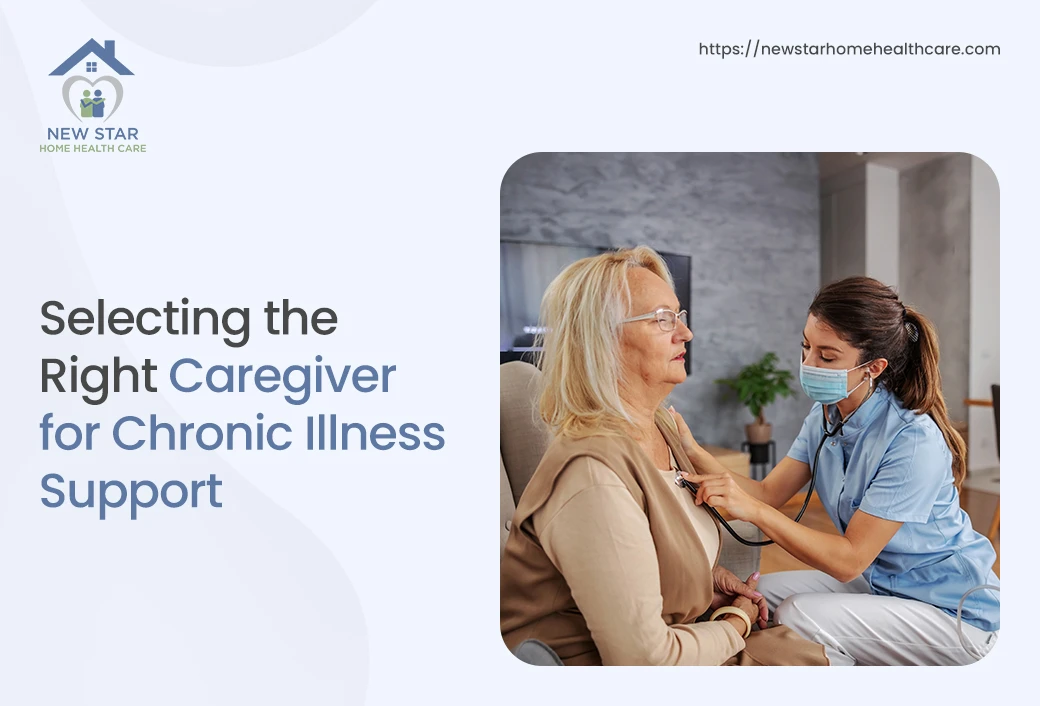
The process of taking care of a chronically ill loved one may be emotionally and physically exhausting. A lot of families come to the stage when they cannot cope with all their problems on their own, when medical assistance is necessary, but it is also the case with everyday life, emotional conditions, and future stability. Finding the appropriate caregiver in the case of a chronic illness is one of the most significant choices that you can make to guarantee the comfort, safety and quality of life.
This guide will assist the families to have the insight of what to seek, questions to ask, and the best decision to make in relation to the chronic illness care at the home.
Learning Chronic Illness Care at Home
Most chronic diseases like diabetes, multiple sclerosis, arthritis, Parkinson diseases and heart diseases are disorders that may not be treated in a short term and therefore demand continuous care. Management of chronic conditions involves drug reminders, physical support, symptom management, and emotional support.
A home based caregiver enables people to remain in a comfortable setting whilst getting constant care. Home-based support does not only enhance comfort, but it may also lead to a decrease in the number of visits to the hospital and better long-term outcomes.
Why Is It Important to Select the Correct Caregiver?
A good caregiver not only helps in the tasks; they become a good partner in day-to-day life. A skilled caregiver can:
- Enhance treatment plan compliance.
- facilitate self-reliance and honor.
- Lessen the family stress.
- React suitably to health modifications.
- Companionship and emotional support.
Lack of the appropriate match of the caregiver may result in frustration, burnout, or even safety concern. This is the reason why it is important to know how to select a caregiver when living with a chronic illness.
Major Characteristics to consider in a Caregiver
1. Relevant Experience and Training
Find those caregivers who are familiar with your loved one. Certain cases might involve the use of a trained disability support worker, and there are cases that might involve one who is experienced in mobility aids or medication management.
Ask about:
- Past experience of related chronic illnesses.
- Organizational or official training.
- Emergency response knowledge.
2. Compassion and Patience
Chronic disease may have an impact on mood, energy and emotional wellbeing. An effective caregiver is required to be caring, tolerant and emotionally savvy.
Observe how they:
- Talk to your love interest.
- Deal with frustrations or exhaustion.
- Have respect and understanding.
3. Effective Listening and Speaking
Effective management of chronic conditions should be based on communicating clearly. Caregivers should be able to:
- Communicate with family members.
- Adhere to follow plans correctly.
- Communicate concerns early
This openness cultivates trust and eliminates minor problems that develop into significant challenges.
Examining the Care Needs of Your Family
Prior to contracting an in-home caregiver, find time to evaluate your needs. All chronic diseases, as well as all individuals, are unique.
Consider:
- Physical support and level of mobility required.
- Drug timetables and health check-ups.
- Personal hygiene needs (bathing, dressing, meals)
- Needs of emotional and social support.
- Part-time or full-time hours of care needed.
With an effective care plan, you are able to locate a caregiver that best suits your situation.
The Agency vs. Independent Caregiver: Hiring
Caregiver Agencies
Background checks, training, scheduling and replacements are some of the responsibilities of the agencies. This is a good alternative with tranquility and dependability particularly in complex home based chronic illness care.
Pros:
- Pre-screened caregivers
- Backup support available
- Administrative matters that are being managed.
Cons:
- Higher cost
Independent Caregivers
Independent hiring may be relatively cheaper and more flexible, however, it demands increased families participation.
Pros:
- Lower cost
- Direct relationship
Cons:
- You are in charge of vetting and payroll.
- No built-in backup
Interview Questions to Ask
During the interviewing of the candidates, the questions to ask should include:
- What experience do you have in providing care for individuals with chronic illnesses?
- How do you handle medical emergencies or urgent health situations?
- What steps do you take to support a patient’s comfort and emotional well-being?
- Are you comfortable communicating and coordinating with doctors or therapists?
- How do you adapt care plans as a patient’s condition changes over time?
These questions can be used to make sure that the caregiver is working to your expectations and values.
It builds a successful relationship between a caregiver and a patient.
When you have selected the right caregiver, it will become a matter of cooperation.
Tips for long-term success:
- Get expectations straight at the start.
- Support the free flow of communication.
- Review care plans on a regular basis.
- Demonstrate appreciation and respect.
Good relationship between the caregiver and the individual receiving care has its benefits to the person receiving care as well as the whole family.
Final Thoughts
Any decision made in selecting a caregiver to work with chronic sickness revolves not only around skills but also around trust, compassion and compatibility. Take your time to evaluate the needs, ask the correct questions, and plan in advance and you are sure to find the right one when you need a professional disability support worker or an experienced in-home caregiver.
When an appropriate environment is established, families will have fewer stresses and more time to share with each other.
FAQs
1. How does a chronic illness caregiver normally act?
Caregiver is a part of chronic condition management that is provided to help with day to day activities, medication, mobility assistance, symptom management, and companionship.
2. What signs would I know to determine whether my loved one requires an in-home caregiver?
When it becomes difficult to perform regular activities, take medications, or be safe, or when family members are overwhelmed, it is possible to think about having professional chronic illness care at home.
3. Does this make the difference between a disability support worker and a general caregiver?
Yes. The disability support worker can receive specialized training to assist people with physical, cognitive, or developmental disabilities whereas general caregivers can pay more attention to general needs associated with daily care.